FREE CONSULTATIONS
713-526-5220

Can You Pay Off a Chapter 13 Plan Early Without Penalties?
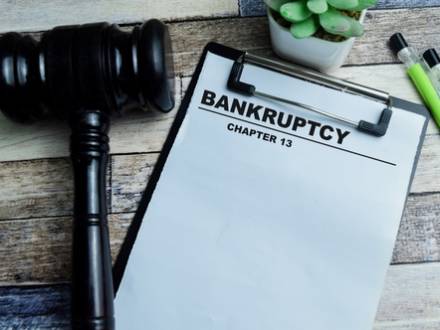 Paying off a Chapter 13 plan early sounds like a great idea, but it is not as simple as just sending in more money. In most cases, paying ahead on your plan does not shorten how long your bankruptcy lasts or reduce how much you owe. However, there is one real path to finishing your plan early and getting out of bankruptcy sooner. If you are in a Chapter 13 plan and wondering what your options are, the Liberty County, TX bankruptcy lawyer at The Fealy Law Firm, PC can help you figure out the best path forward.
How Does a Chapter 13 Plan Work?
Chapter 13 is sometimes called a wage earner's plan. It lets you keep your property while you pay back some or all of your debts over time. Under 11 U.S.C. § 1322, your plan runs for either three or five years. Your timeline depends on your income compared to the median income in Texas.
Each month, you make a set payment to the bankruptcy trustee. The trustee then sends money out to your creditors. At the end of the plan, any remaining eligible debt is discharged. That means it goes away. The plan is designed around what you can afford, not what you owe in full. That is why most plans do not require you to pay back 100 percent of your unsecured debt, like credit cards or medical bills.
Can You Just Pay More Each Month To Finish a Chapter 13 Early?
Paying extra each month does not automatically end your plan early. Under 11 U.S.C. § 1325, your plan has to represent your best effort to pay your debts using all of your disposable income. This means the court expects you to pay what you can afford for the full length of the plan.
If you suddenly have extra money, your creditors and the trustee may argue that your monthly payment should go up, not that your plan should end sooner. The court may agree. In short, you cannot simply speed through a Chapter 13 plan the way you would pay off a car loan.
What Is the One Way To End a Chapter 13 Plan Early?
The main way to finish a Chapter 13 plan before the end date is to pay back 100 percent of what you owe to every creditor. This includes all of the following:
-
Secured debts, like car loans and mortgage arrears
-
Priority debts, like back taxes and child support
-
Unsecured debts, like credit cards and medical bills, paid in full
If you can do that, you do not need a discharge at the end because your creditors have been made whole. The court can close the case. This is a good option if you come into a large sum of money, such as an inheritance, a legal settlement, or a significant bonus.
However, paying 100 percent can actually cost you more than staying in your plan. In a typical Chapter 13 case, you only pay a portion of your unsecured debts. The rest is wiped out at the end. If you pay everything off early, you give up that benefit. Talk to your attorney before making any moves with a windfall.
What Is a Hardship Discharge for a Chapter 13 Bankruptcy?
A hardship discharge is a different path out of Chapter 13. It does not require you to pay everything back. Instead, it lets you end the plan early because of serious circumstances beyond your control, like a job loss, a major illness, or a disability.
The court can grant a hardship discharge if three conditions are met. First, your situation has to be due to circumstances that are not your fault. Second, your creditors must have already received at least as much as they would have gotten in a Chapter 7 bankruptcy. Third, there must be no realistic way to modify your plan and continue paying.
A hardship discharge is not easy to get. The bar is high, and courts do not grant them often. But if your financial situation has taken a serious turn for the worse, it is worth discussing with your attorney.
Schedule a Free Consultation With Our Waller County, TX Bankruptcy Attorney
At The Fealy Law Firm, PC, we focus on helping good people get through hard times and come out in a better place financially. Attorney Vicky Fealy is Board-Certified in Consumer Bankruptcy Law by the Texas Board of Legal Specialization. She’s helped thousands of people and businesses find real debt relief. Call 713-526-5220 today to schedule a free consultation with a Liberty County, TX bankruptcy lawyer you can trust.





OFFICE
1235 North Loop W., Suite 1120
Houston, Texas 77008
CALL TODAY
713-526-5220

FOLLOW US


Results listed are not a guarantee or indication of future case results.
1235 North Loop W., Suite 1120
Houston, Texas 77008
713-526-5220