FREE CONSULTATIONS
713-526-5220

HOA Foreclosure vs. Mortgage Foreclosure in Bankruptcy
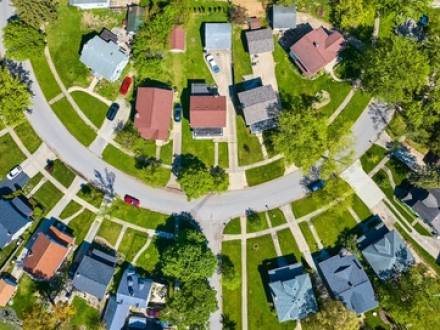 Many homeowners in Texas are surprised to learn that two completely different creditors can move to take their home at the same time: Their mortgage lender and their homeowners association. Even if you have been faithfully making your mortgage payment every month, falling behind on HOA dues in Texas can still cost you your house.
The good news is that filing for bankruptcy in 2026 can stop both types of foreclosure, but how it handles them is very different. Understanding those differences is the first step toward protecting your home and getting a fresh start.
Our Liberty County bankruptcy attorney is board-certified in consumer bankruptcy law and offers free consultations. We are here to help good people through hard times. 713-526-5220.
How Are HOA Foreclosure and Mortgage Foreclosure Different in Texas?
Mortgage Foreclosure
A mortgage foreclosure happens when you fall behind on your home loan payments. Your lender holds what is called a deed of trust on your property, and if you default, they have the right to sell the home to recover what you owe.
In Texas, this process often moves quickly, sometimes in as little as three to four months, because Texas is primarily a non-judicial foreclosure state. This means the lender does not always need a court order before selling the property.
HOA Foreclosure
An HOA foreclosure is a separate process entirely. Under the Texas Residential Property Owners Protection Act, which is found in Chapter 209 of the Texas Property Code, a homeowners association can place an assessment lien on your property when you fall behind on dues.
If the debt goes unpaid, the HOA can move to foreclose that lien and force a sale of your home, even if your mortgage is completely current. Texas law does require the HOA to send two notices and wait before filing a lien. Most non-judicial HOA foreclosures must first receive an expedited court authorization through what is called a Rule 736 proceeding.
But once that process is underway, the consequences are real. There have been cases where Texas homes worth hundreds of thousands of dollars were lost over a few thousand dollars in unpaid dues.
Mortgage Foreclosure Takes Priority
One critical difference between the two types of foreclosure involves lien priority. Under Texas Property Code § 82.113(b), an HOA or condominium assessment lien takes lower priority to a first mortgage or deed of trust that was recorded before the HOA became late as well.
That means in most cases, a first mortgage lender gets paid first if a home is sold. However, this does not stop an HOA from moving forward with foreclosure, especially if there is enough equity in the home for everyone to be paid.
What Happens to HOA Debt and Mortgage Debt When You File for Bankruptcy?
Filing for bankruptcy triggers something called the automatic stay. Under federal law, the moment your bankruptcy petition is filed, all foreclosure proceedings against your home must stop immediately. This applies to your mortgage lender and your HOA alike. The automatic stay is one of the most powerful tools in bankruptcy because it gives you breathing room to get a plan together before anything else can happen to your home.
However, the automatic stay is not a permanent solution on its own. If you want to keep your home, you need a strategy that deals with both debts going forward, and that is where Chapter 7 and Chapter 13 treat HOA debt and mortgage debt very differently.
Chapter 7 Bankruptcy
Chapter 7 can discharge the personal liability for pre-bankruptcy HOA dues you owe, meaning the HOA cannot come after you personally for that money anymore. However, the lien itself can survive, and the HOA can still try to enforce it against the property.
Chapter 7 also does not allow you to catch up on mortgage arrears through a repayment plan, so it is generally not the best path if saving your home is the primary goal and you are behind on your loan. It offers a short-term pause, but not a long-term solution for homeowners who need to fix past-due payments.
Chapter 13 Bankruptcy
Chapter 13 is typically the stronger option for homeowners facing both types of foreclosure. It allows you to spread past-due mortgage arrears across a three-to-five-year repayment plan and get fully caught up by the end. The automatic stay keeps the lender from foreclosing.
Pre-bankruptcy HOA dues can also be paid back through the plan. HOA dues that come due after you file for bankruptcy are also not dischargeable, which means you must stay current on ongoing dues throughout your case or the HOA can ask the court to lift the automatic stay and restart foreclosure.
Call a Waller County, TX Bankruptcy Attorney Today
Our Liberty County bankruptcy lawyer at The Fealy Law Firm, PC is board-certified in consumer bankruptcy law and focuses on helping hardworking families find a real path forward. We offer free consultations because we believe everyone deserves to understand their options. Call The Fealy Law Firm, PC at 713-526-5220 today.





OFFICE
1235 North Loop W., Suite 1120
Houston, Texas 77008
CALL TODAY
713-526-5220


FOLLOW US


Results listed are not a guarantee or indication of future case results.
1235 North Loop W., Suite 1120
Houston, Texas 77008
713-526-5220