FREE CONSULTATIONS
713-526-5220

Can You File Chapter 7 if You Are Self-Employed?
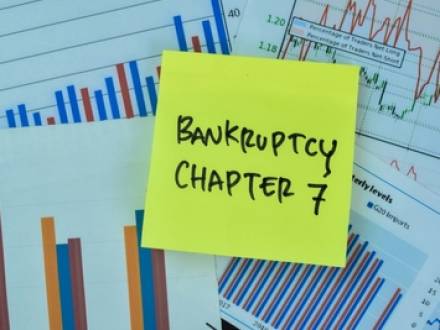 Self-employed people can file for Chapter 7 bankruptcy. Being your own boss does not disqualify you from using this form of debt relief. The process is a little more involved for self-employed filers than it is for regular employees, but it is very much available to you. If you are self-employed and struggling with debt, a Conroe, TX bankruptcy lawyer can help you figure out whether Chapter 7 is the right path and walk you through every step of the process.
What Is Chapter 7 Bankruptcy?
Chapter 7 bankruptcy is a legal process that lets people wipe out most of their unsecured debt, like credit cards and medical bills. In most cases, filers have few or no assets taken, and the whole process wraps up within a few months.
Under 11 U.S.C. Section 727, a discharge in Chapter 7 means you are no longer legally responsible for the debts that are eliminated. Creditors cannot come after you for those balances once your case closes. For someone who is buried in debt with no realistic way out, that kind of fresh start can change everything.
What Makes Chapter 7 Different for Self-Employed Filers?
The basic process is the same for everyone. But self-employed filers have some extra requirements that regular employees do not.
The biggest difference is paperwork. When you file for bankruptcy, you have to show a complete and honest picture of your finances. An employee does that with pay stubs and tax returns. As a self-employed person, you will typically need to provide:
-
Profit and loss statements for your business
-
Business bank account records going back several months
-
Federal tax returns for the past two years
-
A list of your current business income and expenses
-
Documentation of any business debts you personally guaranteed
The bankruptcy trustee assigned to your case will look closely at your business finances to make sure everything adds up. If your records are messy or incomplete, it can slow things down or raise questions. Getting your financial records organized before you file is one of the best things you can do.
Do You Have to Pass the Means Test for Bankruptcy if You Are Self-Employed?
Everyone who files for Chapter 7 has to pass the means test, no matter how they earn their income. The means test is designed to make sure Chapter 7 is only available to people who truly cannot afford to pay back their debts.
The means test looks at your average monthly income over the past six months and compares it to the median income for a household of your size in Texas. If you are below the median, you pass automatically. If you are above it, there is a more detailed calculation that looks at your expenses to see how much disposable income you have left.
For self-employed filers, this calculation can get complicated. Your income may go up and down month to month, and business expenses can lower your net income in ways that affect the result. An attorney can help you work through the math correctly so you do not make errors that could hurt your case.
What Happens to Your Business if You File Chapter 7?
If you are a sole proprietor, you and your business are legally the same person. That means your personal and business assets are looked at together in the bankruptcy. The trustee will review everything you own to figure out what is protected and what might be used to pay creditors.
Texas has strong exemptions that protect many types of property. Under Texas Property Code Section 42.001, you can protect tools and equipment you need to do your work. That protection can be very important for self-employed people who depend on their tools to earn a living.
If you run an LLC or a corporation, your personal bankruptcy is separate from the business. Your personal assets may have more protection as long as you have kept your personal and business finances clearly separated.
What Debts Can Chapter 7 Eliminate for Self-Employed Filers?
Chapter 7 can wipe out many of the debts that commonly pile up for self-employed people. That includes credit card balances, personal loans, medical bills, and some business debts that you personally guaranteed.
Some debts cannot be discharged in Chapter 7. These include most tax debts, student loans, child support, alimony, and debts tied to fraud. If a large portion of what you owe falls into these categories, Chapter 7 may only solve part of the problem. An attorney can help you figure out whether it is still worth pursuing.
Schedule a Free Consultation With Our Galveston, TX Chapter 7 Bankruptcy Attorney
Being self-employed and drowning in debt is a hard place to be, but you do not have to stay there. Real solutions exist, and Chapter 7 may be one of them. Our Conroe, TX bankruptcy lawyer is Board-Certified in Consumer Bankruptcy Law by the Texas Board of Legal Specialization and has helped thousands of people and businesses find debt relief. The focus here is on helping good people get through hard times and take back control of their finances. If you are ready to look at your options, contact The Fealy Law Firm, PC by calling 713-526-5220 to schedule your free consultation today.




OFFICE
1235 North Loop W., Suite 1120
Houston, Texas 77008
CALL TODAY
713-526-5220


FOLLOW US


Results listed are not a guarantee or indication of future case results.
1235 North Loop W., Suite 1120
Houston, Texas 77008
713-526-5220