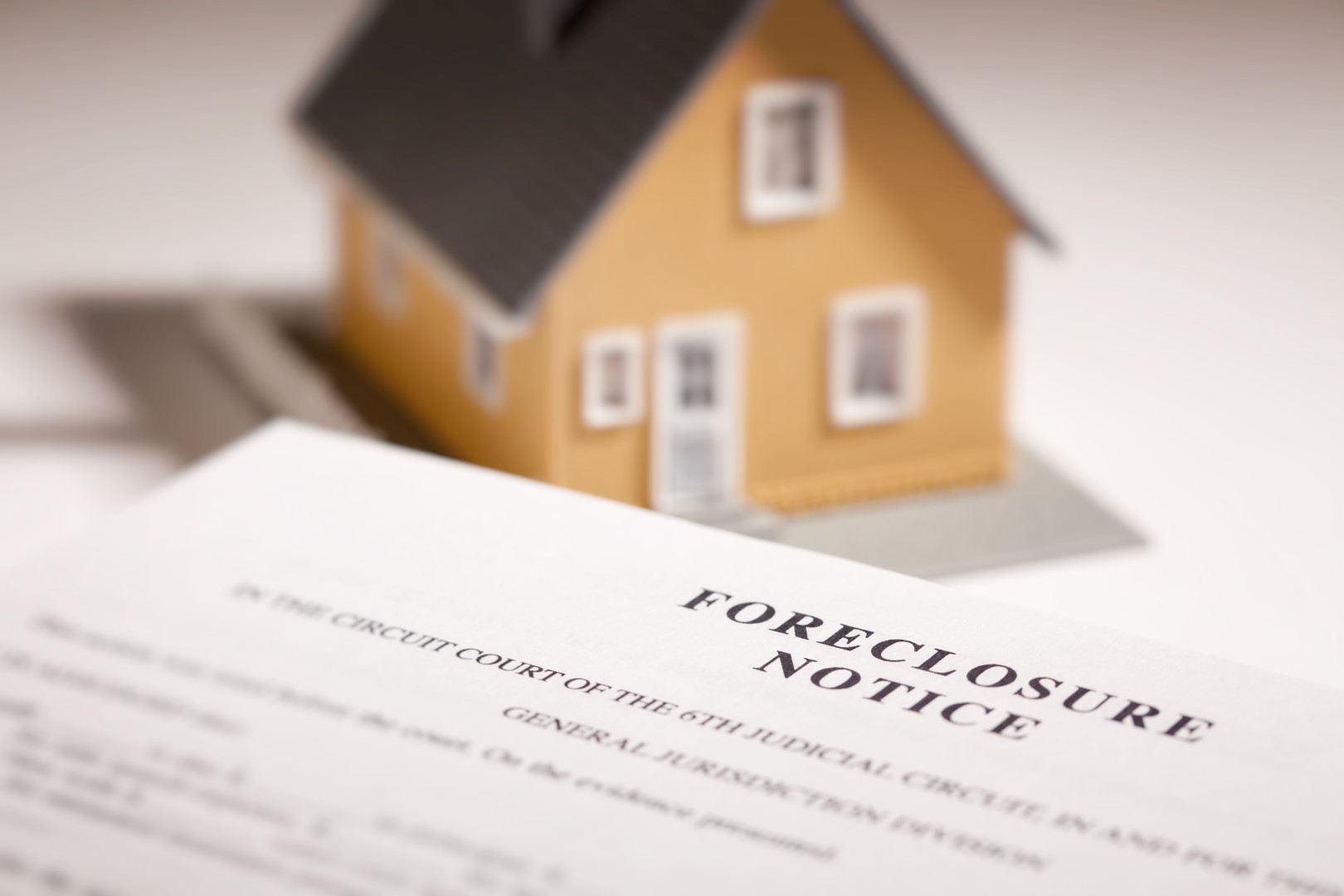
Falling behind on Texas property taxes can put your home or other real estate at serious risk. Eventually, the taxing authority may pursue foreclosure to collect the unpaid balance. Fortunately, bankruptcy may provide an option for stopping a property tax foreclosure in Texas before the sale occurs.
For many property owners, Chapter 13 bankruptcy can temporarily stop foreclosure through the automatic stay. It may also provide a structured way to address delinquent taxes over time. However, timing is extremely important.
The Fealy Law Firm, PC helps Houston-area property owners understand bankruptcy and foreclosure options. If a tax foreclosure is approaching, speaking with an experienced bankruptcy attorney early can provide more options.
Can Bankruptcy Stop a Property Tax Foreclosure in Texas?
In many situations, yes. Filing bankruptcy generally creates an automatic stay. This federal protection stops most creditors from continuing collection efforts against the debtor or the debtor’s property.
The automatic stay can generally stop an active foreclosure proceeding while the bankruptcy case remains protected by the stay. However, exceptions can apply. A creditor can also ask the bankruptcy court for permission to continue certain collection actions.
Therefore, filing bankruptcy does not simply erase the property tax debt. Instead, bankruptcy may create time and a legal framework for addressing the debt.
Timing also matters significantly. Waiting until after a foreclosure sale can greatly limit the options available.
How Does a Texas Property Tax Foreclosure Work?
Texas taxing units can pursue legal action to collect delinquent property taxes. They may file a lawsuit seeking foreclosure of the tax lien attached to the property.
A foreclosure judgment can ultimately allow the property to be sold. The proceeds are then applied toward court costs, delinquent taxes, penalties, interest, and other permitted expenses.
Texas law also provides certain redemption rights after some tax sales. For example, qualifying homestead property generally receives a longer redemption period than many other properties. However, redemption can become expensive because additional amounts may be required.
As a result, addressing delinquent taxes before the property reaches a foreclosure sale is usually important.
How Chapter 13 Bankruptcy May Help With Property Tax Debt
Chapter 13 bankruptcy is often called a debt reorganization or wage earner plan. Rather than immediately liquidating property, qualifying debtors propose a repayment plan.
For someone facing a property tax foreclosure in Texas, Chapter 13 may offer several important benefits.
First, filing may activate the automatic stay and halt an impending foreclosure. That protection can give the property owner valuable time.
Additionally, Chapter 13 allows many debts to be addressed through a court-supervised repayment plan. Property tax liens require careful treatment because they are secured by the property. Therefore, they should not be treated like ordinary credit card debt.
The Fealy Law Firm, PC regularly helps clients understand how Chapter 13 can affect foreclosure, secured debt, and other financial obligations.
Does Chapter 7 Stop a Property Tax Foreclosure?
Chapter 7 also generally triggers the automatic stay when the bankruptcy case is filed. Therefore, it may temporarily stop certain foreclosure activity.
However, Chapter 7 and Chapter 13 work differently.
Chapter 7 primarily focuses on discharging qualifying debts. It does not provide the same multi-year repayment structure available under Chapter 13. Additionally, bankruptcy does not automatically eliminate valid liens simply because personal liability for certain debts changes.
Consequently, homeowners who want to keep property while addressing delinquent secured obligations may need to carefully compare their bankruptcy options.
An attorney can review the property, tax debt, income, other debts, and foreclosure status before recommending an appropriate strategy.
What Happens If a Tax Foreclosure Sale Is Already Scheduled?
A scheduled sale makes immediate legal advice especially important.
Generally, bankruptcy provides its strongest foreclosure protection when the case is filed before the foreclosure sale occurs. Once a sale has been completed, the legal situation becomes considerably more complicated.
Therefore, property owners should not wait until the final hours before seeking help.
Even if you recently received a lawsuit, judgment, sale notice, or other tax foreclosure document, there may still be options. A bankruptcy attorney can review where the case stands and determine what protections may remain available.
Can Bankruptcy Eliminate Property Taxes Completely?
Bankruptcy treatment of taxes is complicated, and property taxes require particular attention.
Some debts can ultimately receive a bankruptcy discharge. However, valid liens against real property may continue to affect the property. The age of the tax debt, lien status, bankruptcy chapter, and other factors can also matter.
Therefore, homeowners should avoid assuming that bankruptcy automatically wipes away delinquent property taxes.
Instead, the goal may be to stop immediate foreclosure pressure and create a manageable strategy for resolving the debt.
Why Acting Before the Foreclosure Sale Matters
When foreclosure is involved, delaying action can reduce your available choices.
The Fealy Law Firm, PC has helped clients address serious debt problems for more than 25 years. Board-Certified bankruptcy attorney Vicky Fealy helps clients understand their options so they can make informed decisions about their finances.
The firm assists clients with Chapter 7, Chapter 13, foreclosure defense, creditor problems, and other debt-relief matters. It also specifically assists people facing foreclosure by property taxing authorities.
Most importantly, getting legal advice early allows an attorney to evaluate your complete financial situation rather than simply reacting to an approaching sale date.
Get Help With a Texas Property Tax Foreclosure
A property tax foreclosure in Texas can move from an unpaid tax bill to the possible loss of real estate. However, bankruptcy may provide valuable protection when action is taken at the right time.
Chapter 13 may stop foreclosure through the automatic stay while providing a structured method for addressing qualifying debts. Still, every bankruptcy and property tax case has different facts.
If you are facing a tax foreclosure in Houston or the surrounding Southeast Texas area, contact us at The Fealy Law Firm, PC. Schedule a free and private consultation and learn what options may be available.